
In a world where apps pop up faster than a cat video on social media, keeping control of what’s downloaded on an iPhone can feel like herding cats. Whether it’s a sneaky game or an unwanted social media app, sometimes less is more. Imagine a peaceful phone free from distractions and clutter. Sounds dreamy, right?
Blocking apps from being downloaded isn’t just for parents trying to keep their kids focused; it’s for anyone wanting to reclaim their digital space. With a few simple steps, you can turn your iPhone into a fortress of productivity. So, let’s dive into how to put the brakes on those pesky downloads and keep your device as serene as a zen garden.
Understanding App Restrictions on iPhone
Managing app downloads on an iPhone is crucial for maintaining organization. Users must understand how to implement restrictions effectively.
The Importance of App Management
App management reduces distractions and enhances productivity. By controlling which apps can be downloaded, users maintain a clutter-free environment. Prioritizing essential applications fosters a focused digital space. Parents often seek these tools to protect children from inappropriate content. In a workplace setting, app restrictions can help employees avoid non-work-related distractions. Setting boundaries creates a more efficient use of devices.
Overview of iPhone Restrictions
iPhone restrictions provide users with the ability to limit app downloads. Through the settings menu, users can navigate to the “Screen Time” section. From there, specific app categories can be blocked or limited. Options include disallowing app installations or deletions. Users can also prevent in-app purchases, further safeguarding their devices. Enabling these features creates a customizable experience tailored to personal or family needs. Understanding these settings empowers users to take control of their device’s functionality.
Methods to Block App Downloads
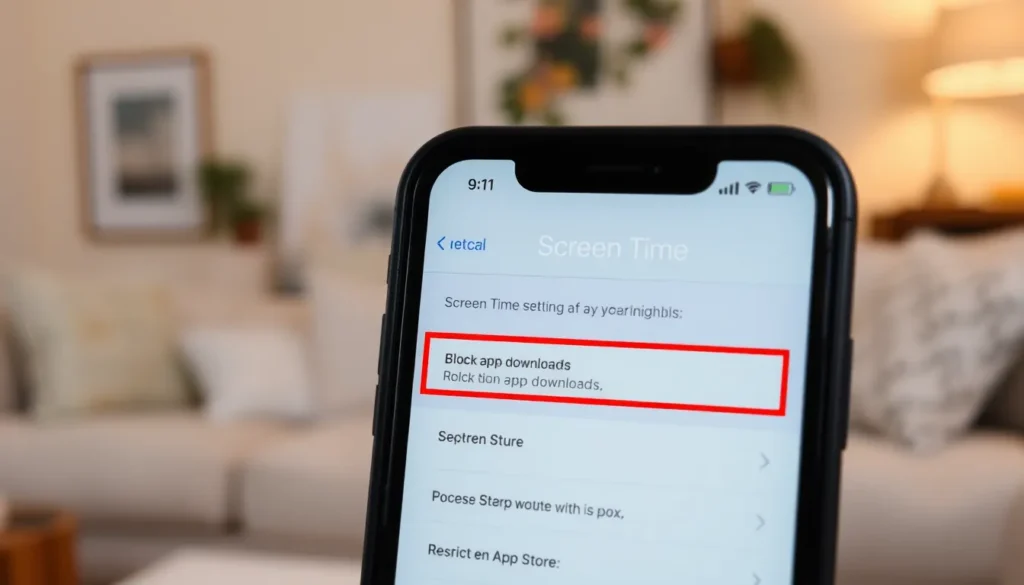
Blocking app downloads on an iPhone enhances control over device usage. Here are effective methods to achieve this.
Using Screen Time Features
Screen Time features provide comprehensive tools for managing app behavior. Users can navigate to Settings and select Screen Time. Activating this option allows users to set restrictions on app installations. They can choose to block app downloads entirely or limit them by specific categories, such as games or social media. Additionally, it’s possible to prevent in-app purchases, limiting unintentional spending. Customization of these settings empowers users to create a tailored experience aligned with their preferences.
Restricting App Store Access
Restricting access to the App Store offers another layer of control. This can be done through Screen Time settings as well. Users can select Content & Privacy Restrictions and toggle on the option for restrictions. After enabling this feature, they can prevent changes to the App Store and disallow app installation. Users might also restrict deleting apps, ensuring that unwanted applications remain untouched. These actions foster a smoother digital environment by keeping distractions at bay.
Alternative Solutions
Several alternatives exist for blocking app downloads on an iPhone. Each option offers distinct features that enhance management capabilities.
Using Third-Party Applications
Third-party applications provide additional layers of control over app downloading. Users can download specific apps designed to restrict access to the App Store or manage app behavior. Some popular options include parental control apps that allow customized restrictions based on user needs. Functionality varies, with features like activity reports and time limits on app usage. Prioritizing security and privacy remains essential, so selecting reputable applications ensures data protection while enhancing device control.
Implementing Family Sharing Settings
Family Sharing settings enable users to manage app downloads effectively among family members. By setting up Family Sharing, one can approve or decline app requests from connected devices. This approach fosters communication regarding app downloads, ensuring only appropriate applications are accessible. Users can also establish guidelines for content ratings and age restrictions, maintaining a clear boundary for children’s app usage. Utilizing Family Sharing enhances collective device management, promoting safe and responsible app interactions across family members.
Tips for Effective App Management
Effective app management on an iPhone involves strategies that maintain organization and minimize distractions. Users can achieve this by implementing specific practices that cater to their unique needs.
Regularly Reviewing Installed Apps
Regular reviews of installed apps help maintain a clutter-free device. Begin by uninstalling apps that are no longer useful or relevant. Frequent assessment prevents unnecessary distractions, making it easier to focus on essential applications. Outdated or seldom-used apps often consume storage and attention. Users should create a schedule for these reviews, either monthly or quarterly, ensuring the iPhone remains manageable and efficient. This practice not only improves device performance but encourages thoughtful app usage.
Educating Family Members About Restrictions
Educating family members about app restrictions empowers everyone to use devices responsibly. Hosting discussions about the purpose of these restrictions fosters a shared understanding of the need for boundaries. Encourage family members to participate in setting guidelines for appropriate app use and request approval for new downloads. Clear communication establishes expectations and enhances trust. Teamwork in managing app downloads leads to a more thoughtful approach to technology use among family members, promoting a healthier digital environment. Training young users on the implications of unrestricted access ensures they understand safety and privacy concerns.
Taking control of app downloads on an iPhone is essential for creating a more organized and focused digital environment. By utilizing features like Screen Time and Family Sharing, users can effectively manage app access and reduce distractions. Regularly reviewing installed apps and discussing restrictions with family members fosters a collaborative approach to maintaining a clutter-free device.
Implementing these strategies not only enhances productivity but also promotes responsible app usage among all users. With a little effort and the right tools, anyone can transform their iPhone into a more peaceful and efficient space.