
In the heart of Jeonju, a culinary treasure awaits those brave enough to venture beyond the usual K-food staples. Imagine a place where rustic European charm collides with the vibrant flavors of Korea. That’s right—Jeonju’s European countryside cuisine is turning heads and tantalizing taste buds.
Picture this: hearty stews bubbling in pots, fresh-baked bread wafting through the air, and pastries that could make even the strictest diet crumble. It’s not just a meal; it’s an experience that transports diners to a quaint village in the rolling hills of Europe—all without the hassle of a passport. So grab your fork and prepare for a delightful journey that promises to be as satisfying as it is unforgettable.
Overview of 전주的歐式鄉村料理
전주的歐式鄉村料理 offers a distinctive blend of European countryside dishes infused with Korean culinary elements. This unique fusion showcases rich stews prepared with local ingredients and traditional cooking methods. Diners can savor freshly baked bread made daily, which complements the hearty soups and savory dishes.
Exploration of pastries reveals delightful options, from flaky croissants to decadent tarts, further enhancing the overall dining experience. Delightfully simple yet flavorful, each dish highlights the freshness of ingredients sourced from the region.
Restaurants in Jeonju often emphasize a cozy atmosphere, reminiscent of a quaint European village, inviting patrons to relax and enjoy their meals. Many chefs focus on artisanal techniques, elevating standard recipes into memorable experiences.
Seasonal menus reflect the changing availability of ingredients, introducing new delights regularly. Customers appreciate this adaptability, as it allows for discovery of fresh and exciting flavors during each visit.
In addition, unique offerings such as local wines and specialty coffees pair beautifully with the cuisine, enhancing the overall meal. All of these elements come together, creating an inviting space where culinary traditions from Europe and Korea harmoniously coexist.
Key Ingredients
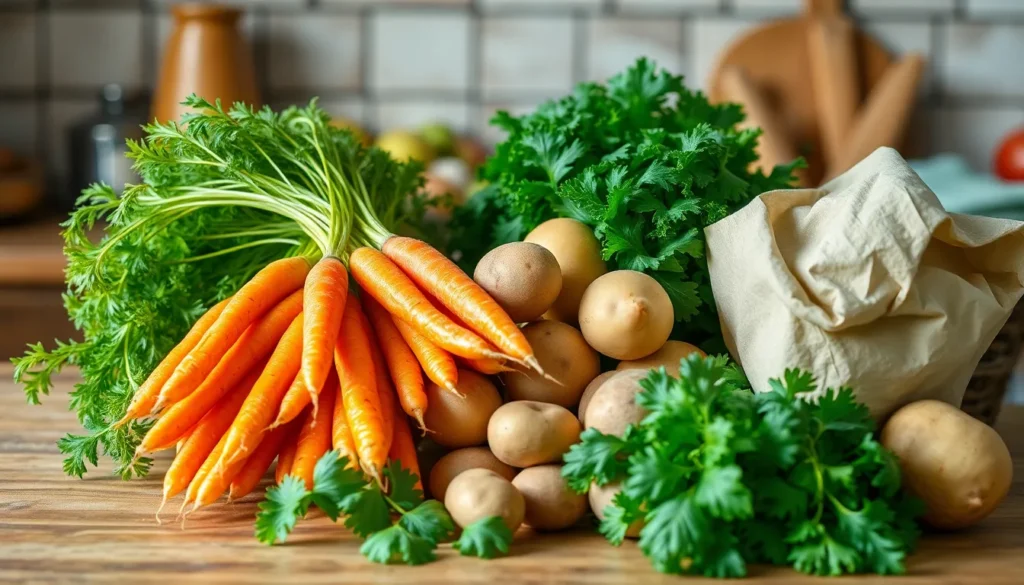
Culinary creations in Jeonju rely on key ingredients that enhance the fusion of European countryside cuisine with Korean flavors. Both fresh produce and local specialties contribute significantly to the delightful dishes served.
Fresh Produce
Seasonal vegetables play a vital role in the meals prepared in Jeonju. These ingredients include crisp carrots, potatoes, and seasonal greens that elevate stews and side dishes. High-quality fruits also find their way into desserts, ensuring a natural sweetness. A focus on freshness guarantees vibrant flavors and essential nutrients. Farmers markets in the region offer a variety of produce, allowing chefs to incorporate the best local harvest in their recipes. Herbs like parsley and thyme are often used, adding fragrance and depth to dishes.
Local Specialties
Local specialties provide a unique twist to traditional European recipes. Unique grains from Jeonju, such as well-known rice, enhance the texture of bread and pastries. Fermented ingredients like gochujang and doenjang introduce a distinct Korean flair to stew bases, creating complex flavors. Artisan cheeses made from regional dairy amplify the richness of dishes while showcasing local craftsmanship. Additionally, specialty wines play a key role in the dining experience, often sourced from nearby vineyards to complement hearty meals. Such local elements reflect the rich cultural heritage of the area and enrich the overall culinary journey.
Signature Dishes
Jeonju’s European countryside cuisine features a variety of signature dishes that highlight flavorful ingredients and traditional cooking techniques. Each dish, crafted with care, offers a unique blend of Korean and European flavors.
Dish 1: Description and Flavor Profile
Rich stews take center stage, showcasing tender meats and seasonal vegetables. Locally sourced carrots and potatoes add natural sweetness and depth. The addition of Korean spices, such as gochujang, amplifies the flavor, creating a harmonious balance between heat and richness. Diners savor freshly baked bread that arrives warm and crusty, perfect for dipping into the savory broth. A selection of pastries, including flaky croissants and decadent tarts, rounds out the meal, providing both texture and sweetness to delight the palate.
Dish 2: Preparation Method
Preparation methods focus on artisanal techniques that enhance the quality of each dish. Chefs slow-cook stews in earthenware pots to intensify the flavor, allowing ingredients to meld together. Using fresh produce from local farmers markets ensures vibrant flavors and essential nutrients. Baking bread on-site yields warm, crusty loaves with a chewy interior. Pastry chefs employ traditional techniques, meticulously crafting each item for perfect layers and rich fillings. This dedication to preparation highlights the culinary artistry present in every meal, inviting guests to indulge in a true gastronomic experience.
Cultural Significance
Cultural significance permeates the unique culinary tapestry in Jeonju, where European countryside cuisine seamlessly blends with Korean traditions. This fusion symbolizes the region’s rich heritage, uniting two distinct culinary worlds through flavors and techniques. Restaurants in Jeonju often transform the dining experience into a cultural journey, inviting patrons to explore traditional customs while savoring innovative dishes.
Artisanal preparation techniques play a vital role, showcasing skills passed down through generations. Each dish embodies not merely ingredients but stories of the people and traditions they represent. Drawing inspiration from both European and Korean roots, chefs create offerings that celebrate seasonal produce and local specialties. Seasonal menus reflect the significance of fresh ingredients in both cultures, allowing diners to experience the evolving culinary landscape throughout the year.
Local farmers markets contribute to the cultural significance by supplying vibrant produce that highlights the connection to the land. Fresh vegetables and unique grains bolster the authenticity of dishes, emphasizing the community’s commitment to quality. Fermented ingredients like gochujang introduce a distinctive Korean twist to traditionally European recipes, enhancing the rich flavors in stews and pastries.
Signature dishes exemplify this culinary synergy, as chefs craft meals with care and passion. Hearty stews made with tender meats and farm-fresh vegetables showcase the depth of flavor achieved through meticulous preparation. Each plate represents a celebration of shared culinary heritage, encouraging guests to appreciate the artistry involved in creating these delightful meals.
The pairing of local wines and specialty coffees further illustrates the significance of the dining experience. Each drink enhances the culinary offerings, creating a harmonious blend of tastes that resonates with visitors. This inviting atmosphere fosters a sense of community, making diners feel connected to both the rich traditions of Jeonju and the global culinary narrative they partake in.
Dining Experience
Dining in Jeonju offers an engaging experience that draws on both European countryside cuisine and Korean flavors. Many restaurants create inviting atmospheres where diners can savor hearty stews alongside freshly baked bread, all reminiscent of a quaint European village. Each meal presents an opportunity to explore a delightful fusion of culinary traditions, with rich flavors and comforting textures.
Artisan techniques form the backbone of the dishes served, highlighting the careful preparation that enhances classic recipes. Seasonal menus frequently change, reflecting the freshest local ingredients available for that time of year. Diners can expect to find crisp carrots and potatoes elevating savory stews, while high-quality fruits bring natural sweetness to desserts.
Signature dishes stand out, particularly the hearty stews made with tender meats and farm-fresh vegetables. Local farmers markets supply vibrant produce that plays a crucial role in maintaining quality and flavor. Specialty offerings like artisanal cheeses and local wines from nearby vineyards enrich the experience, melding beautifully with the dishes.
The cultural significance of this dining scene shines through the innovative fusion of flavors and preparation techniques. Each meal becomes a cultural journey, allowing patrons to engage with stories rooted in tradition. Staff often share insights about the origin of ingredients or the history of recipes, deepening the connection between diners and the rich culinary heritage of Jeonju.
Pairing local wines and specialty coffees with meals further enhances the experience, contributing to a harmonious blend of tastes. Ultimately, each visit provides an opportunity to explore the evolving culinary landscape and appreciate the intricate connections between the community’s past and its present gastronomic offerings.
Jeonju’s European countryside cuisine offers a captivating blend of flavors that invites culinary exploration. Diners can relish in hearty stews and freshly baked bread that evoke the charm of a quaint village. The commitment to using local ingredients and traditional techniques creates dishes that not only satisfy but also tell a story.
This unique fusion highlights the region’s rich cultural heritage while encouraging patrons to enjoy seasonal menus that evolve with the availability of fresh produce. Each meal serves as a reminder of the intricate connections between the past and present, making dining in Jeonju an unforgettable experience. Discovering this delightful culinary landscape promises to be a journey worth taking.